

AI tools like ChatGPT, Perplexity and others aren’t just productivity toys — they’ve become discovery engines and a growing source of website referrals. For marketers who treat this as “another channel” and are already working to optimize for it today, there’s upside as they are riding a wave of a growing market while ignoring it is not an option. We are seeing market share for searching shifting rapidly from Google Search originally a top source to other tools. An other concern that keeps SEO strategists up at night is the introduction of Google AI mode.
The AI Mode Era impact on publishers
Google’s AI Overviews (often called “AI mode”) are changing how users interact with search results — and not always in ways that benefit publishers. Instead of showing a list of links, Google now generates summarized answers directly on the results page, pulling content from multiple sources. This means users often find the information they need without ever clicking through to a website.
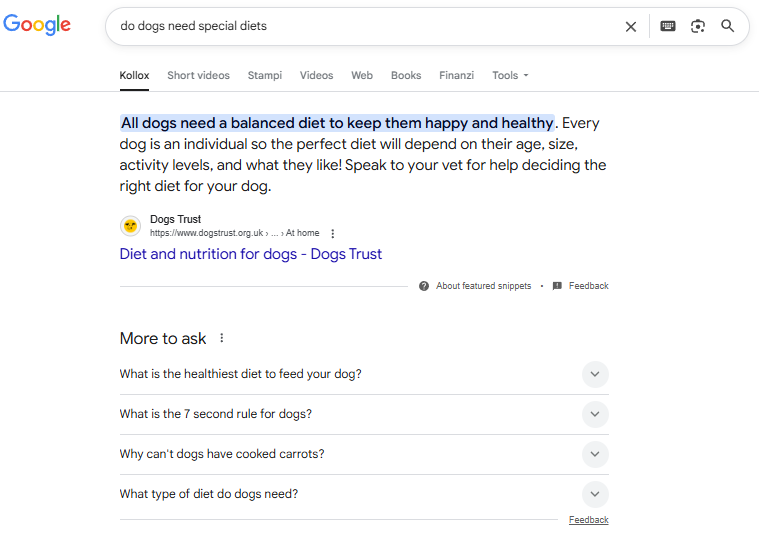
As a result, many sites are seeing declines in click-through rates, especially on informational queries. The impact ripples through analytics and monetization: reports show traffic drops that distort performance metrics, making it harder to attribute success accurately, while affiliate-driven pages lose visibility and conversions since fewer users reach the site to engage with affiliate links. In short, Google’s AI summaries are absorbing a share of the audience that once fueled both traffic numbers and revenue streams.
It is not all bad news
AI tools are enormous and growing rapidly. Major LLM-driven products report explosive user and query growth — ChatGPT and Perplexity are handling billions of queries and hundreds of millions of visits monthly. Studies show AI is already directing real (if small) volumes of referral traffic: a large industry analysis found 63% of websites receive traffic from AI tools, with ChatGPT/Perplexity/Gemini making up the bulk of that traffic — though on average AI contributed roughly 0.17% of monthly site visits in the datasets studied. That number will grow as these tools broaden coverage and integration. At the same time, search-result pages are being re-shaped by generative overviews and AI summaries. Early studies and case analyses show SGE/AI overviews can cause large organic traffic shifts (some verticals saw big percentage drops or redistribution of clicks across domains). In other words: AI can both create referral clicks and replace them with summarized answers — depending on how you appear in the results.
What that means for your website strategy
Two simultaneous facts should drive your plan:
- AI tools can send traffic (and they already do). Optimize to capture that.
- Generative AI can answer queries without a click. Reduce the chance of being “skimmed” out of the click by providing high-signal content AI will reference.
Both goals are complementary — the same principles that help you in classical SEO largely help here, plus a few AI-specific add-ons.
Practical tactics to win AI referrals and protect organic traffic
Build machine-friendly FAQ/concise-answer blocks
AI assistants love short, authoritative answers they can quote. Add clear Q→A blocks on topic pages and dedicate FAQ pages for high-intent queries. Use direct phrasing and one-sentence answers followed by a rich paragraph that expands. Structure: question in an H2, one-sentence answer, then details. This increases the chance an AI will surface your snippet or link.
Implement and expand structured data (Schema.org)
Mark up FAQs, HowTos, articles, products, events, and datasets. Schemas give AI strong signals about what a page is. Over time, pages with correct structured data are more likely to be referenced or surfaced as generative links. (Yes — still worth the dev time.)
Keep classical SEO fundamentals — they still move the needle
Navigation, internal linking, crawlability, page speed, canonicalization, title/meta optimization and topical depth matter now as much as before. AI tools often draw from the same canonical pages that rank in search; if you’re fragile on fundamentals you’ll be missed by both search engines and AI.
Prioritize E-E-A-T and brand signals
Generative answers prefer authoritative, accurate sources. Strengthen author bios, citations, primary data, and brand mentions. Branded, trustworthy content is more likely to be recommended or linked by AI — and brand strength helps preserve clicks when SERPs compress.
Produce concise factual assets (data, explainer bullets, one-page guides)
AI loves reputable facts and short explainers it can quote. Publish single-page resources (cheat-sheets, statistics with source links, downloadable one-pagers) that are easy for a model to reference. Primary data (your own studies, surveys) is gold.
Optimize for the “post-click” experience
When AI does refer a user to your site, make the first 3–7 seconds count: clear headline alignment with the user’s query, jump-to answers, and signposts (like an in-page table of contents). Reduce bounce, increase time-on-page and conversions.
Track AI referrals and create a GA4 AI channel
AI referrals aren’t always visible in traditional channel reports. Configure GA4 (custom channel grouping or UTM patterns for your API partners) to surface AI-driven visits and measure outcomes. A growing number of guides explain how to track AI-origin traffic so you can measure ROI. linkedin.com+1
Risk management: what to watch for
- SERP displacement: studies show some sites saw dramatic traffic declines where AI overviews appeared — monitor your high-volume pages closely.
- Loss of context/click: AI summaries sometimes answer the user fully — reduce this risk by creating compelling reasons to click (tools, calculators, datasets, downloads).
- Brand attribution: AI answers may list many sources but not always click through; brand-building (PR, backlinks, citations) remains critical. Guardian and other reporting have flagged serious audience drops for news publishers after AI-overviews were introduced, which underscores urgency.
Quick 10-point checklist (do this this quarter)
- Add FAQ blocks to top 50 informational pages.
- Audit and add Schema for FAQ, Article, Product, HowTo where relevant.
- Run a content gap analysis for “concise answer” queries your brand should own.
- Improve internal linking and navigation on priority hubs.
- Speed audit: aim for LCP ≤ 2.5s and < 2s interactive time.
- Publish 1 original data asset (study/benchmarks) and promote it for citations.
- Update author bios & cite sources everywhere (E-E-A-T).
- Create GA4 custom channel/tagging to capture AI referrals. linkedin.com
- Run experiments: convert 10 pages to answer-first format and measure change.
- Monitor: weekly checks on top 100 pages for traffic shifts and query coverage.
